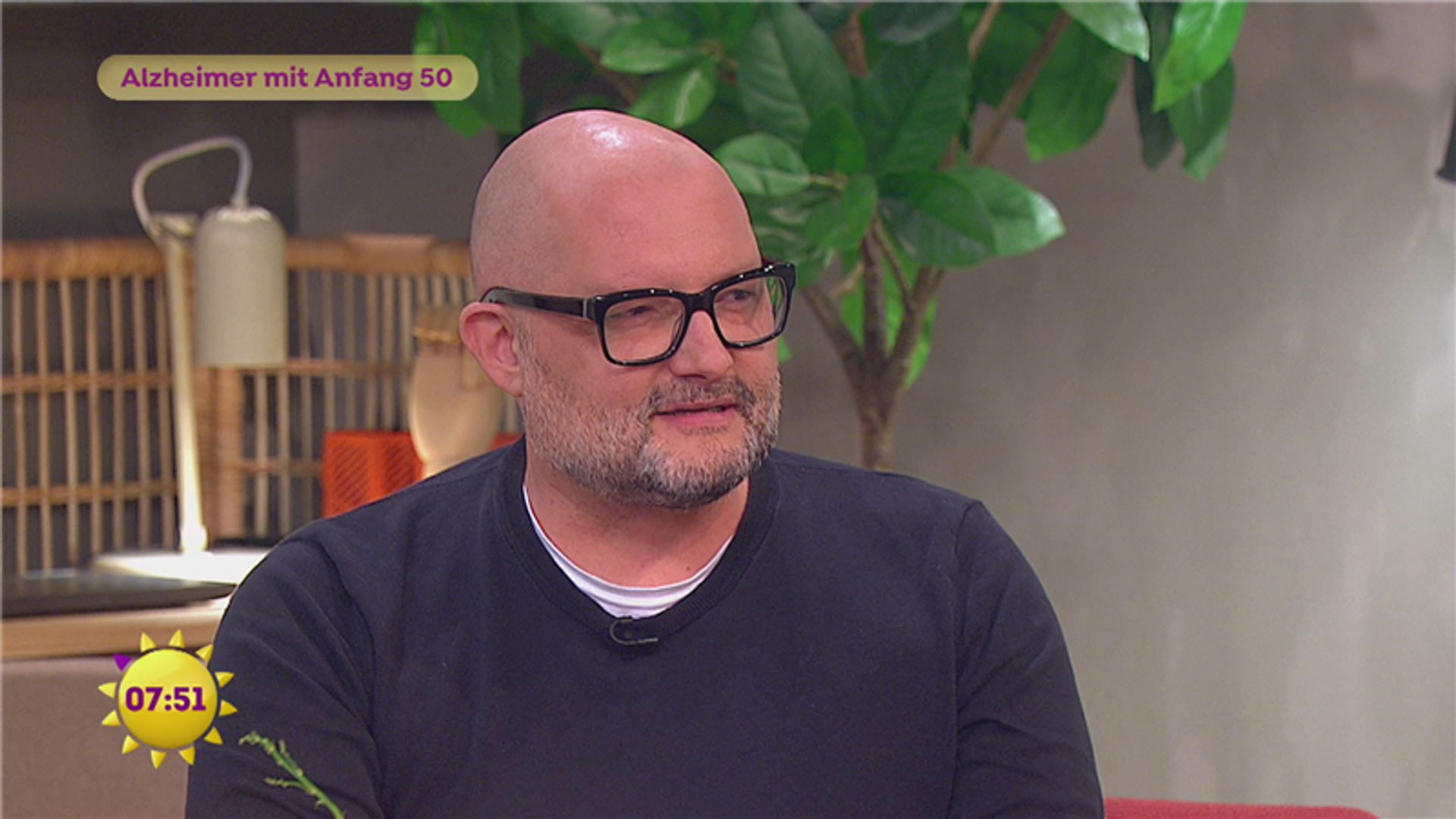
The Unveiling of "Ich denk nicht dran": A Memoir Against Forgetting
In a world increasingly touched by the shadow of Alzheimer's, fear often dictates the narrative. This pervasive anxiety paints a grim picture of loss and decline, overshadowing the human spirit's capacity for resilience and joy. However, an extraordinary voice has emerged to challenge this perception: Jo Failer, author of the compelling memoir, "Ich denk nicht dran" (I'm Not Thinking About It). This profound
Jo Failer Buch isn't merely another account of illness; it's a vibrant testament to living fully, poetically, and joyously, even after receiving a diagnosis that many consider a harbinger of despair.
Imagine being in the prime of your life – actively engaged in a career, raising two young children, and surrounded by a rich network of friends – only to be confronted with the stark reality of early-onset Alzheimer's at just 51 years old. This was Jo Failer's reality. His memoir is a courageous attempt to make the invisible tangible, to illuminate the landscape of early dementia while the author still possesses the clarity and ability to articulate it. It’s a powerful act of defiance against the disease's isolating grip, a deliberate choice to share his journey before the memories that constitute his identity begin to irrevocably fade. The very title, "Ich denk nicht dran," encapsulates this spirit of determined present-moment living, focusing on what *is* rather than what might be lost.
Beyond Statistics: Jo Failer's Poetic Lens on Early Alzheimer's
What sets the
Jo Failer's Ich denk nicht dran apart from conventional medical texts or heartbreaking family accounts is its distinctly poetic and authentic approach. As noted by renowned physician Eckart von Hirschhausen, the book offers an "impressive" and "emotional" glimpse into the inner world of early dementia. It steers clear of clinical jargon and tired clichés, opting instead for a deeply personal exploration that resonates on an emotional level.
Failer doesn't present statistics or generalize experiences; he invites readers into his own evolving reality. His narrative becomes a vital bridge, allowing those untouched by the disease to glimpse the complexities, frustrations, and unexpected moments of clarity and connection that define life with early Alzheimer's. Through his prose, he demonstrates that even as cognitive functions begin to shift, the essence of humanity – the capacity for love, humor, reflection, and appreciation – can remain vibrantly intact. This "poetic memoir" transforms a feared medical condition into a human story, filled with the universal search for meaning and the enduring power of the individual spirit. It's a testament to the idea that understanding comes not just from data, but from empathy, vulnerability, and artful storytelling.
Constructing Meaning in the Face of Memory Loss
The human ability to construct our own world, to imbue our surroundings with personal meaning and build lasting relationships with the things and people that define our existence, is a fundamental aspect of human experience. When Alzheimer's begins to dismantle the very foundations of memory and cognition, this innate human drive becomes a profound act of resilience. Jo Failer's narrative, while not directly referencing philosophical texts, embodies this principle beautifully.
As memories may become less stable, the individual often finds new ways to anchor their sense of self and joy. This can involve:
- Embracing the Present Moment: Focusing intently on sensory experiences – the warmth of the sun, the taste of a favorite food, the sound of laughter – becomes a powerful way to engage with reality, regardless of past recall.
- Cherishing Relationships: While names and specific details might fade, the emotional connection to loved ones often endures. Nurturing these bonds becomes paramount, finding comfort and identity in shared presence rather than shared history.
- Finding Joy in Simple Rituals: Daily routines, hobbies, and simple pleasures take on heightened significance. A walk in the park, listening to music, or engaging in creative expression can become anchors of meaning and sources of genuine happiness.
- Re-interpreting Self: As one's former identity shifts, there's an opportunity to discover new facets of self, focusing on strengths, interests, and contributions that remain vibrant.
Failer’s experience underscores that while the landscape of the mind may change, the human spirit's capacity to seek and create meaning persists. His memoir, the "Jo Failer Buch," implicitly guides readers to understand that living with Alzheimer's isn't solely about loss, but also about a continuous, albeit altered, process of self-construction and the rediscovery of joy in unexpected places.
Practical Pathways to Joy and Connection
Jo Failer's memoir doesn't just offer emotional insight; it subtly provides a blueprint for how individuals and their loved ones can navigate early Alzheimer's with dignity, purpose, and even joy. His narrative champions a proactive approach, emphasizing that the period "before everything is lost" is a precious window for meaningful living and connection. Here are some practical takeaways inspired by his experience and attitude:
For Individuals with an Early Diagnosis:
- Document Your Journey: Like Failer, consider journaling, writing, or recording your thoughts. This not only creates a legacy but can be a therapeutic way to process emotions and preserve your unique voice.
- Prioritize What Matters: Identify core values, relationships, and activities that bring you profound joy. Focus energy on these areas, making conscious choices about how you spend your time.
- Stay Engaged: Maintain social connections, pursue hobbies, and seek out new learning opportunities or creative outlets. Mental and social engagement can help stimulate cognitive function and boost mood.
- Advocate for Yourself: Speak openly about your diagnosis with trusted individuals. Educate those around you and actively participate in decisions about your care and future.
For Family Members and Caregivers:
- Embrace Open Communication: Encourage honest dialogue about feelings, fears, and hopes. Create an environment where the person with Alzheimer's feels heard and respected.
- Focus on Strengths: Rather than dwelling on what's lost, identify and celebrate remaining abilities and interests. Adapt activities to allow for continued participation and success.
- Create New Memories: While old memories may fade, new shared experiences can still bring joy and strengthen bonds. Focus on creating positive present moments.
- Seek Support: Connect with support groups, therapists, or online communities. Sharing experiences and learning from others can reduce feelings of isolation and provide practical strategies.
- Practice Empathy and Patience: Understand that behaviors or communication difficulties are symptoms of the disease, not personal affronts. Approach interactions with compassion and flexibility.
The "Jo Failer Buch" powerfully illustrates that even with Alzheimer's, life can be rich, fulfilling, and filled with moments of authentic joy, provided we adapt our perspectives and embrace connection.
A Call to Empathy: Why "Jo Failer Buch" Resonates
The ultimate power of Jo Failer's memoir lies in its capacity to transform understanding and foster empathy. By offering such a raw, authentic, and "poetic" window into his experience, the "Jo Failer Buch" achieves far more than simply recounting a personal battle; it serves as a vital educational tool and a beacon of hope. It confronts the widespread fear of Alzheimer's head-on, not by downplaying its challenges, but by highlighting the enduring human spirit and the possibility of a meaningful life despite the diagnosis.
This book is indispensable for anyone touched by dementia: individuals facing an early diagnosis, their families navigating caregiving complexities, healthcare professionals seeking deeper insight into the patient experience, and indeed, anyone curious about the human capacity for resilience. It challenges societal stereotypes, reduces the stigma often associated with cognitive decline, and encourages a more compassionate and informed approach to living with and supporting those with Alzheimer's. Jo Failer's courageous act of sharing his story is a profound gift, reminding us that even in the face of immense challenge, joy is not lost; it simply takes on new forms, waiting to be found and cherished.
In a world that often measures worth by productivity and memory, Jo Failer's memoir stands as a radical declaration: that every life, regardless of its cognitive trajectory, holds inherent value, dignity, and the profound potential for joy. His "Ich denk nicht dran" is not just a book; it's an invitation to see, to feel, and to understand, reminding us that connection and presence can illuminate even the darkening paths of memory loss.